Market outlook
Rising Outlook 7/10
Demand for iconic Hall of Fame rookie cards remains strong, and high-grade examples of this issue have shown meaningful value growth. The card’s blue-chip status, broad collector base, and graded/registry interest support long-term appreciation, especially in graded 8 and above.
Next months. Likely stable to slightly rising, with strong pricing support for graded 7-9 examples and occasional spikes for premium eye appeal copies.
Long term. Expected to continue appreciating gradually over 1-3 years, with the best performance in top-graded and exceptionally well-centered copies.
History
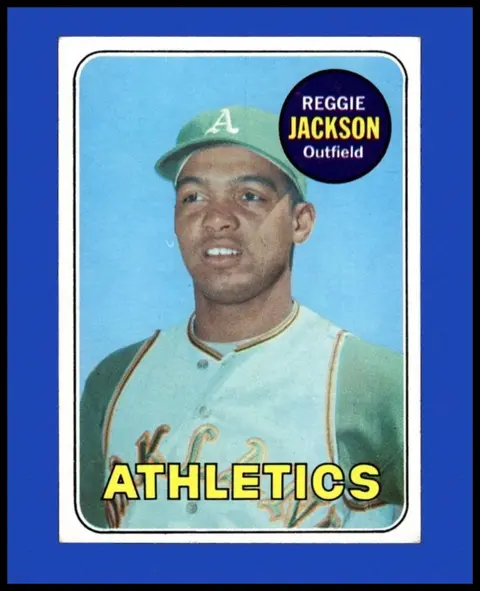
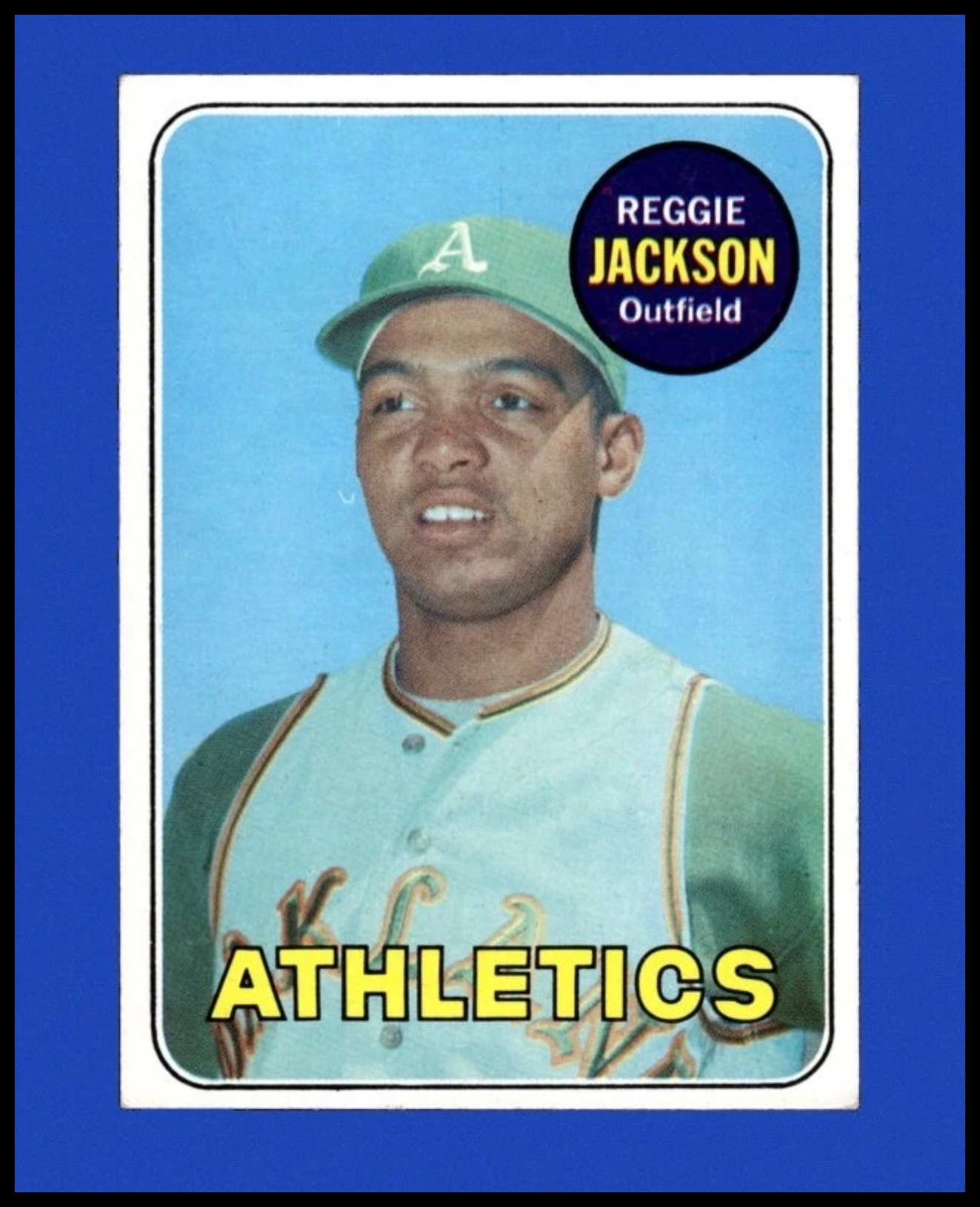
Reggie Jackson (Reginald Martinez Jackson) is one of baseball’s most famous power hitters, nicknamed 'Mr. October' for his postseason heroics. Born in 1946, he starred for the Oakland Athletics and later the New York Yankees, becoming a Hall of Famer and an iconic figure of the 1970s game. His 1969 Topps #260 card is his recognized rookie card and is among the key postwar baseball rookies for both player and set significance.
First issued in the 1969 Topps Baseball set, distributed in the United States through the 1969 Topps baseball card packs and wax product release. The card is part of the 1969 Topps issue and is widely collected as Reggie Jackson’s rookie card.
- This is Reggie Jackson’s rookie card (RC) and one of the most important cards in the 1969 Topps set.
- The card is highly targeted by counterfeiters and reprint makers because of its value and iconic status.
- High-grade examples are scarce, with graded 8 and above commanding substantial premiums, and graded 9/10 examples reaching very high values.
Rarity and print run
- Tier
- Common
- Print run
- Very High
- First printed in
- 1969 Topps Baseball
- Demand
- Very High
- Supply
- Medium
- Base card from a mass-produced flagship set, so raw supply exists in volume.
- True scarcity appears only at high grades due to centering, print quality, and surface sensitivity.
- Counterfeits and altered cards can complicate the market for authentic high-grade examples.
Collector notes
Condition. Centering is critical, as are sharp corners, clean edges, and strong registration. Common flaws include off-centering, corner whitening, surface wear, print defects, and poor image clarity. On this black-bordered/small-image style rookie, even light edge wear or surface scuffing can significantly reduce grade. Look closely at the card front for gloss, image fuzziness, and print quality.
Storage. Store in a penny sleeve and semi-rigid holder or top loader, then place in a cool, dry, low-light environment. Avoid handling the edges directly, keep away from humidity and temperature swings, and consider professional grading for high-grade raw copies. Use acid-free materials and avoid PVC-containing plastics.
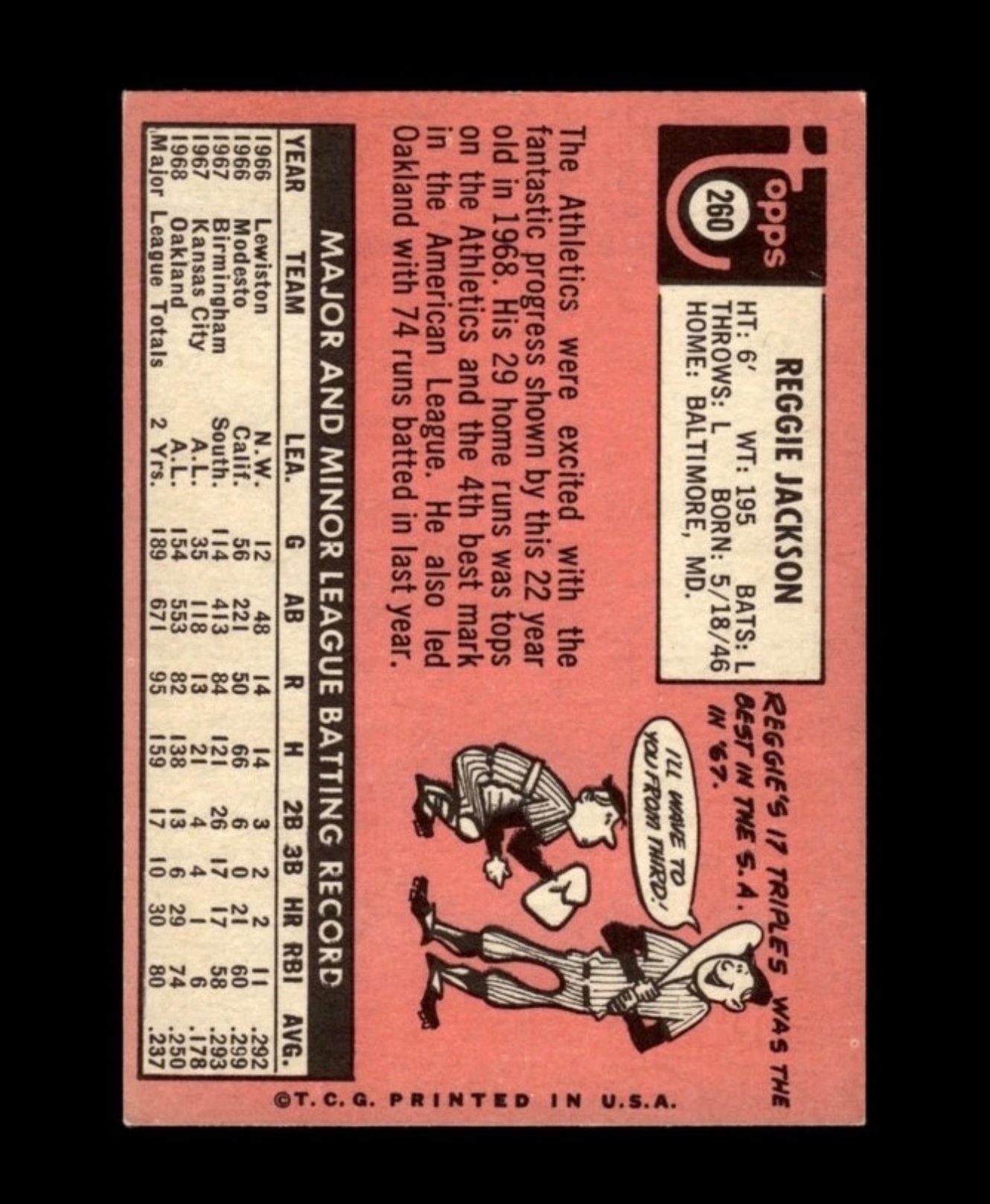
Authenticity. Counterfeits are known. Check for correct print sharpness, especially the purple circle in the upper right and the 'ATHLETICS' text at the bottom. Fake examples may show fuzzy details, glossy fronts, dotted black outlines around yellow letters, or an overall blurred look. Examine the back for correct stock and print quality; some reprints may have a 'REPRINT' marking, but not all do. When in doubt, compare against authenticated graded/graded/graded examples or submit for grading/authentication.
Sources: sportscardspro.com, sportscardinvestor.com, forums.collectors.com, psacard.com, deanscards.com