Market outlook
Stable Outlook 7/10
The card maintains steady market interest due to its historical significance and character popularity, but abundant supply and common classification prevent significant price volatility. Recent price data shows moderate consistency with slight appreciation in lower grades.
Next months. Prices expected to remain stable with potential slight appreciation. Graded copies in high condition (graded 8+) may see modest gains as collectors seek premium examples of this iconic card.
Long term. Gradual appreciation likely as the 1999 Base Set continues to gain historical significance and nostalgia value increases. However, growth will be moderate compared to rare or holographic variants. The combination of common classification and high print run will cap explosive appreciation despite cultural significance.
History
Charmander is a Fire-type Pokémon from the original Generation I games released by Nintendo and Game Freak in 1996. It is one of the three original starter Pokémon and evolves into Charmeleon and then Charizard. The character represents the fire element and is known for the flame on its tail, which reflects its life force.
January 1999 as part of the English Pokémon Trading Card Game Base Set, the inaugural English TCG release[2]
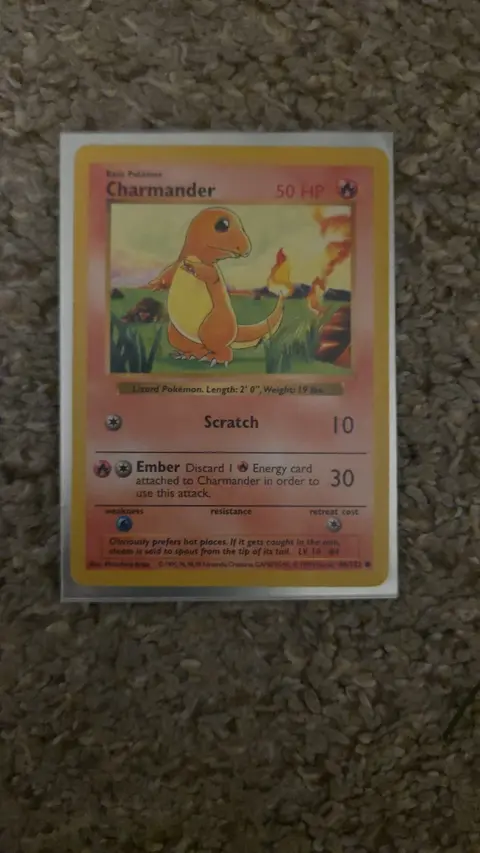
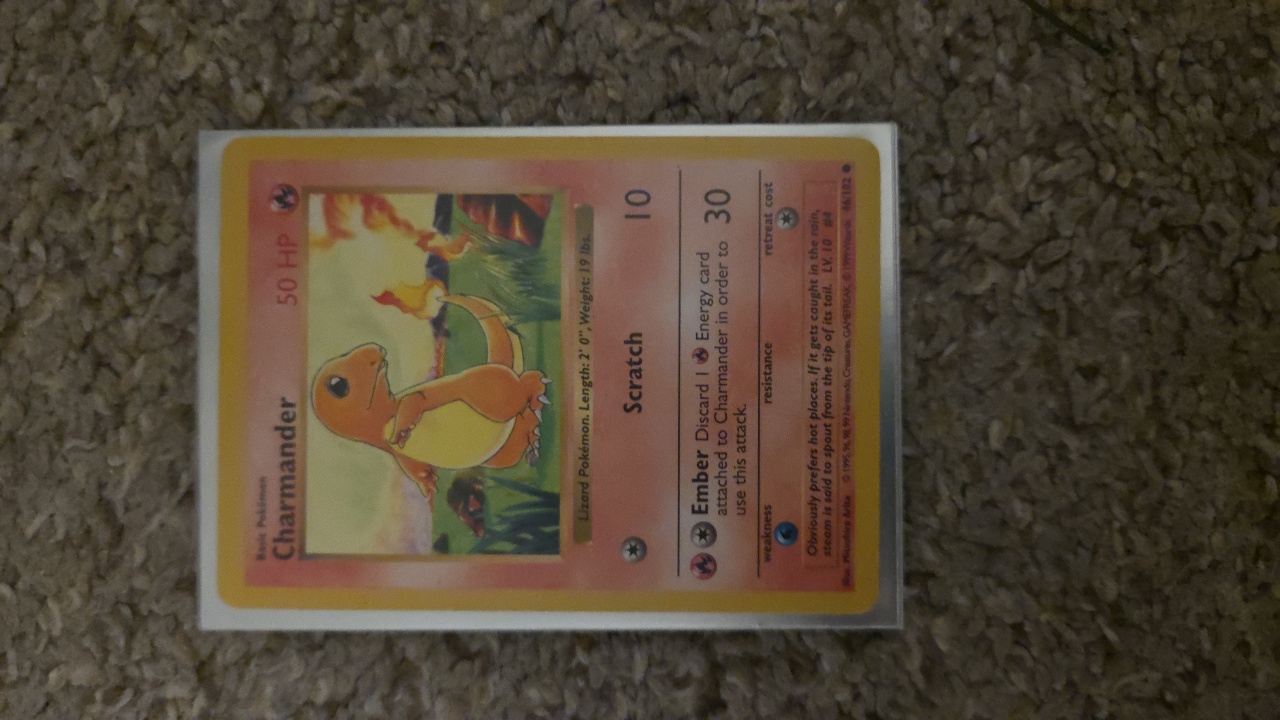
- The Base Set Shadowless Charmander (46/102) is part of the very first English Pokémon TCG print run[3]
- The card features the iconic original artwork showing Charmander looking over its shoulder after lighting a blade of grass on fire with its flaming tail[2]
- The shadowless variant lacks the shadow around the art box, distinguishing it from later printings[3]
- Despite being classified as a common card, it is one of the most iconic and historically significant cards in the hobby[3]
Rarity and print run
- Tier
- Common
- Print run
- Very High
- First printed in
- Pokémon Base Set (English)
- Demand
- High
- Supply
- High
- Officially designated as a common card in the Base Set
- Extremely high print run in 1999 due to Base Set popularity
- Multiple printings across different variants and sets reduce individual card scarcity
- Shadowless variants slightly scarcer than later unlimited printings but still widely available
Collector notes
Condition. Evaluate centering of the card image within the borders, check for surface wear on the holofoil pattern, inspect corners and edges for bending or whitening, examine the shadowless art box area for any printing defects or fading. Common flaws include corner wear, slight holofoil scratching, and centering issues typical of cards from the 1999 print run.
Storage. Store in archival-quality card sleeves to prevent moisture exposure and oxidation. Keep in a cool, dry environment away from direct sunlight to prevent fading of the holofoil and artwork. Use top loaders for high-value graded copies. Avoid using PVC-containing materials which can damage the card over time.
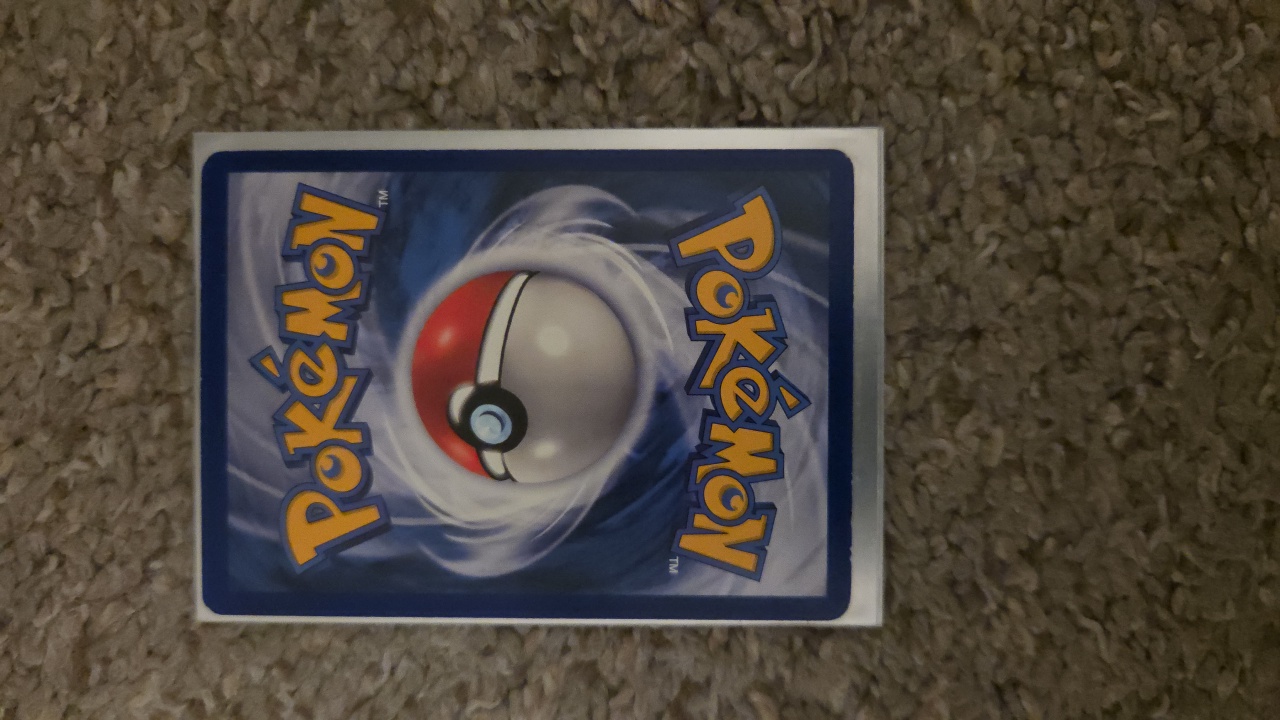
Authenticity. Authentic shadowless Base Set Charmanders feature no shadow around the art box and have the characteristic printing traits of 1999 production. Look for the absence of a set symbol or HP text in the correct locations compared to later printings. Verify the card stock quality and printing precision. Counterfeit cards often have inferior holofoil patterns, incorrect fonts, or poor color registration. Professional grading from graded, graded, or graded provides authentication verification.
Sources: collectibles.com, stockx.com, youtube.com, pricecharting.com, psacard.com