Market outlook
Stable Outlook 6/10
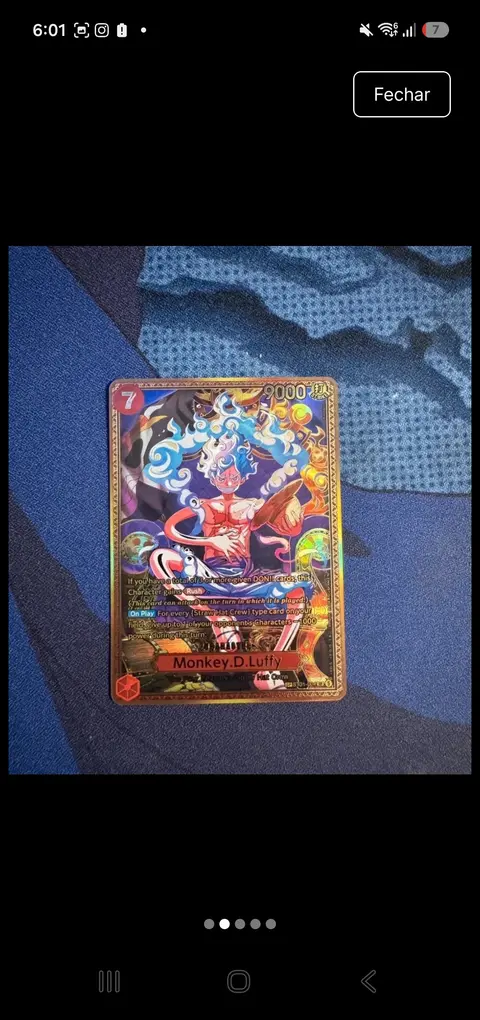
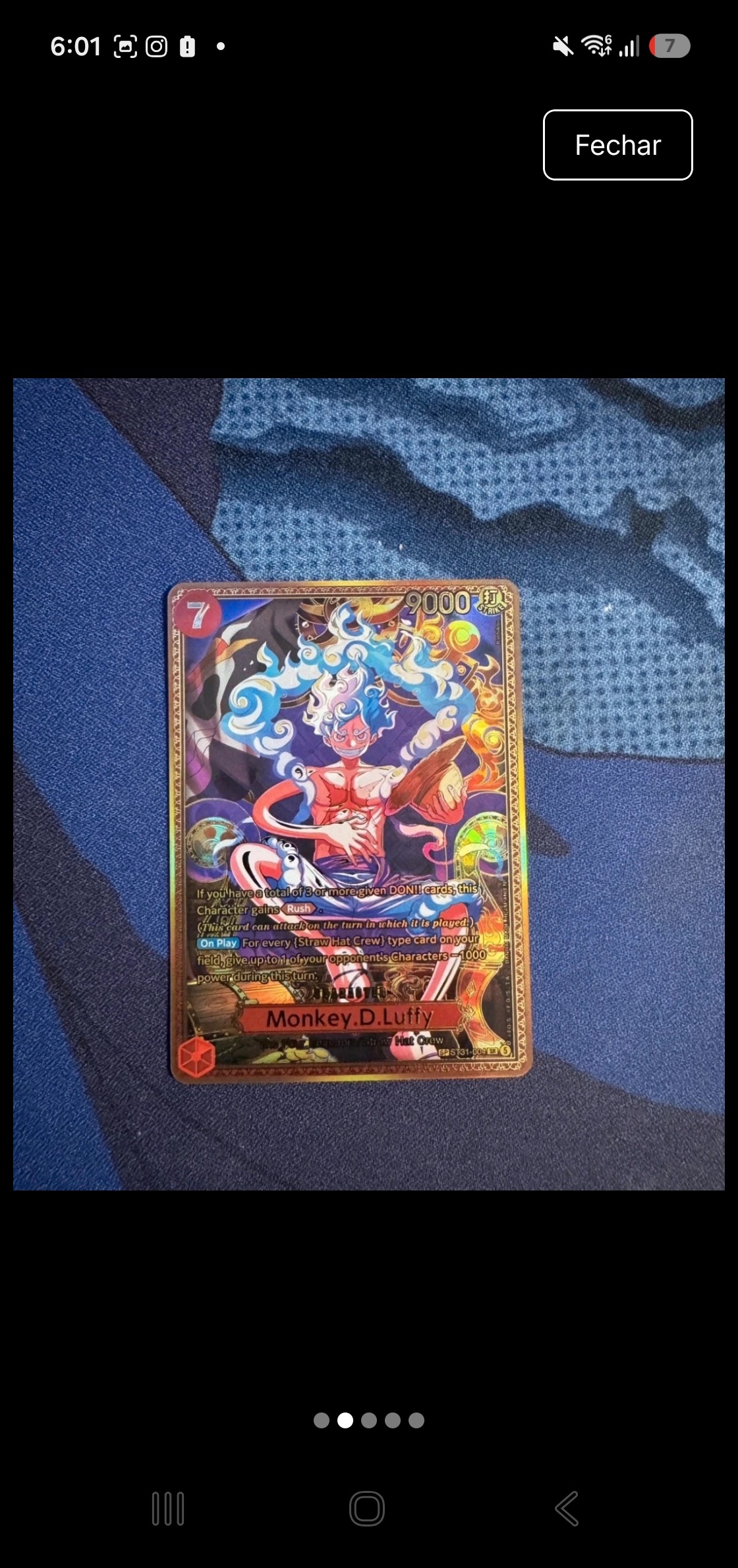
Demand for Luffy remains strong across the One Piece market, but this specific card’s value is tempered by deck-product availability and the existence of multiple closely related print versions.
Next months. Likely to trade within a relatively tight range unless a broader One Piece surge lifts deck-era alt arts.
Long term. Modest appreciation is possible if One Piece collecting continues expanding, with the best upside tied to high-grade copies and clearly differentiated English copies.
History
Monkey.D. Luffy is the protagonist of Eiichiro Oda’s One Piece, the long-running pirate adventure manga and anime. He is the captain of the Straw Hat Pirates, a symbol of freedom and determination, and one of the most recognizable characters in modern manga culture. His Gear transformations and connection to the Will of D make him one of the franchise’s most important figures.
The card appears to have first been released in 2024 as part of the Japanese Ultra Deck: The Three Brothers (ST-13), with English-language distribution following through localized One Piece Card Game releases and market listings.
- The provided card details appear to be inconsistent: ST13-004 is associated with Edward.Newgate in the ST-13 product, while Monkey.D.Luffy is typically another number in the same deck.
- The set name "Two Legends" is not the original ST13 product name; ST-13 is widely identified as Ultra Deck: The Three Brothers / The Three Brothers.
- Alt-art variants generally have lower supply than the base version and are the primary collectible version for this card line.
Rarity and print run
- Tier
- Secret Rare
- Print run
- Low
- First printed in
- Ultra Deck: The Three Brothers (ST-13)
- Demand
- Medium
- Supply
- Medium
- Alt-art variant increases desirability relative to the base version
- Modern One Piece deck/structured-product cards are printed more widely than true chase cards
- English-language copies are generally less common than base Japanese supply in some markets
Collector notes
Condition. Check centering, edge whitening, corner wear, surface scratches, and print-line defects. Alt-art foils are especially prone to micro-scratches, roller marks, and border whitening on dark or saturated areas.
Storage. Store in a perfect-fit sleeve, then a top loader or semi-rigid holder. Keep away from UV light, humidity, and pressure; use a binder only with side-loading, acid-free pages.
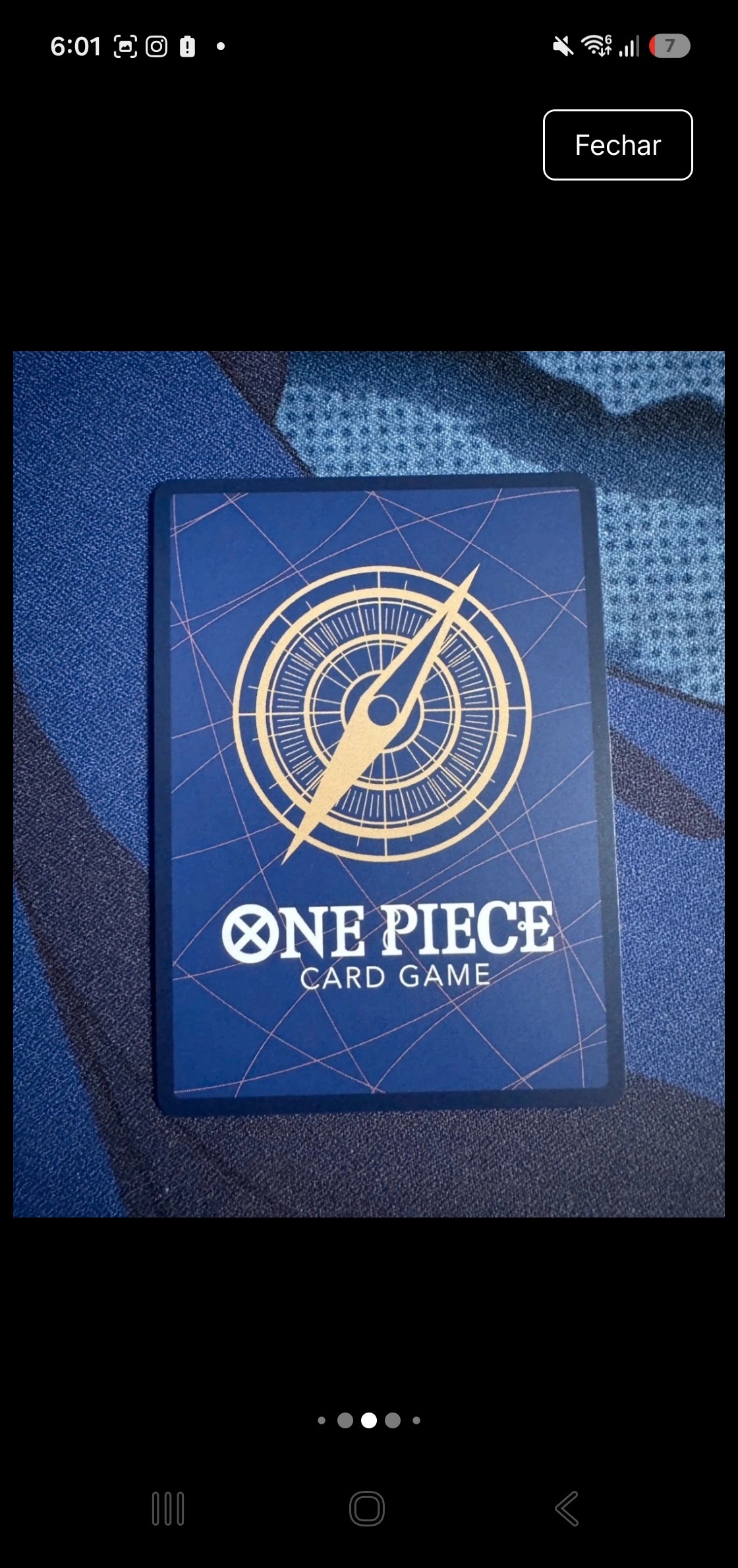
Authenticity. Verify the card number, set code, foil pattern, and print quality. Authentic One Piece cards should have crisp text, clean registration, and consistent stock thickness; fake copies often show blurry text, incorrect sheen, or washed-out color. Compare against a known authentic copy when possible.
Sources: pophunter.io, hobbykartindia.com, tcgrepublic.com, bag-ausstieg.de, projectcore.jp