Market outlook
Rising Outlook 8/10
The card remains a blue-chip Pokémon collectible with strong cross-market recognition, persistent grail demand, and limited high-grade supply. While top-end prices can fluctuate after major auction events, the long-term trajectory has remained upward.
Next months. Likely to remain firm to slightly higher, with premium demand strongest for graded 9 and graded 10 examples.
Long term. Expected to remain a premier long-term hold, with gradual appreciation likely for top-condition copies and continued liquidity across major grading tiers.
History
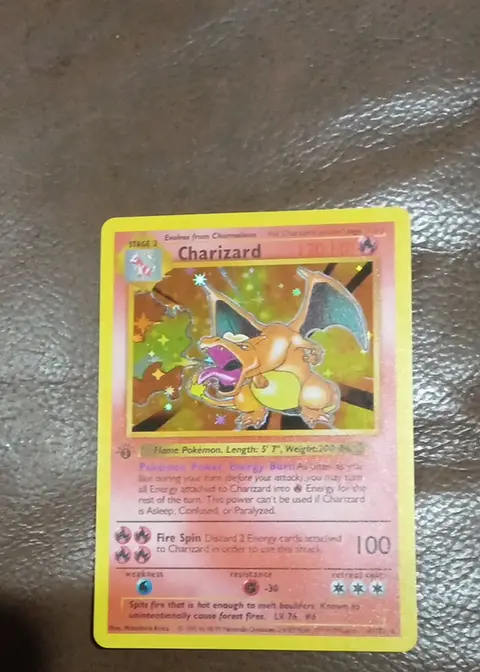
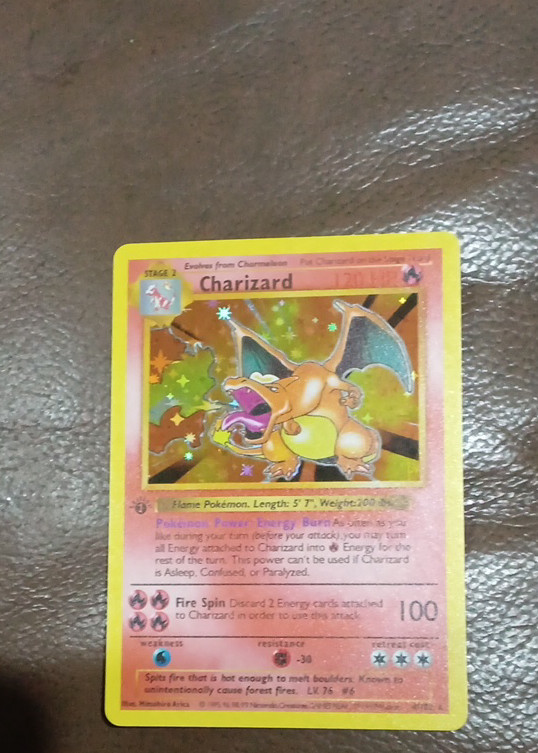
Charizard is the final evolution of Charmander in the Pokémon franchise, introduced in the original 1996 Pokémon Red and Green video games in Japan and later becoming one of the series’ most iconic mascots. Its popularity comes from its dragon-like design, Fire/Flying typing in the games, and its frequent use as a flagship character in Pokémon branding, cards, and media. On this card, Charizard is depicted in the original Base Set artwork by Mitsuhiro Arita, which helped define the visual identity of early Pokémon TCG holo cards.
This card was first released in the Wizards of the Coast 1999 Pokémon Base Set in English, with the 1st Edition Base Set Charizard #4/102 released on January 9, 1999.
- Base Set Charizard #4/102 is the iconic 1st Edition holographic Charizard and is widely regarded as the most famous card in the Pokémon TCG.
- The 1st Edition version is identified by the black 1st Edition stamp to the left of the artwork and the Shadowless Base Set layout.
- This card is a rare holo Fire-type Stage 2 Pokémon card and was part of the set that launched the Pokémon Trading Card Game in English.
Rarity and print run
- Tier
- Rare
- Print run
- Very High
- First printed in
- Pokémon Base Set
- Demand
- Very High
- Supply
- Scarce
- 1st Edition copies were the earliest English print and are scarcer than Shadowless, Unlimited, and later reprints.
- High-grade surviving copies are much rarer than raw copies because holo scratching and edge wear are common.
- The card’s iconic status creates intense collector competition beyond simple supply constraints.
Collector notes
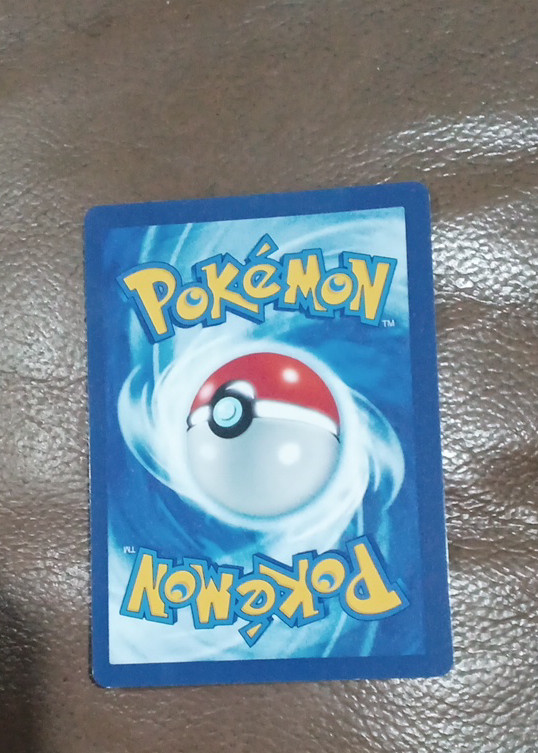
Condition. Check for holo scratching, whitening on corners and edges, print lines, centering issues, surface scuffs, and corner dents. Base Set holos often show wear on the front foil and back edges, and 1st Edition copies are especially sensitive to light edge whitening and holo scratching.
Storage. Store in a penny sleeve and rigid semi-rigid or top loader, keep away from moisture, sunlight, and heat, and use an acid-free binder only if pages are archival quality. For higher-value copies, a graded slab or sealed storage in a cool, dry environment is preferred.
Authenticity. Verify the black 1st Edition stamp position, the Shadowless layout, correct copyright line, and authentic holofoil texture. Fakes often have incorrect font, wrong stamp placement, oversized or blurry holo patterns, poor color balance, and suspicious back-card gloss or borders. Compare the card against known graded/graded images and check for real print dot patterns under magnification.
Sources: t206cards.com, pricecharting.com, pullmarket.io, cardrake.com, pokescope.app