Market outlook
Rising Outlook 7/10
The card sits in a high-demand character slot with limited supply in premium condition, and modern chase cards often hold or gain value as sealed product thins out. Market guides already show meaningful separation between the regular print and the secret-rare full-art tier.[1][2][3]
Next months. Likely to stay firm to slightly higher, with short-term movement driven by graded-copy availability and broader interest in the Mega Evolution set.
Long term. Over 1-3 years, the card should remain collectible and may appreciate gradually if the set stays popular and high-grade supply remains limited, though growth is likely to be uneven rather than explosive.
History
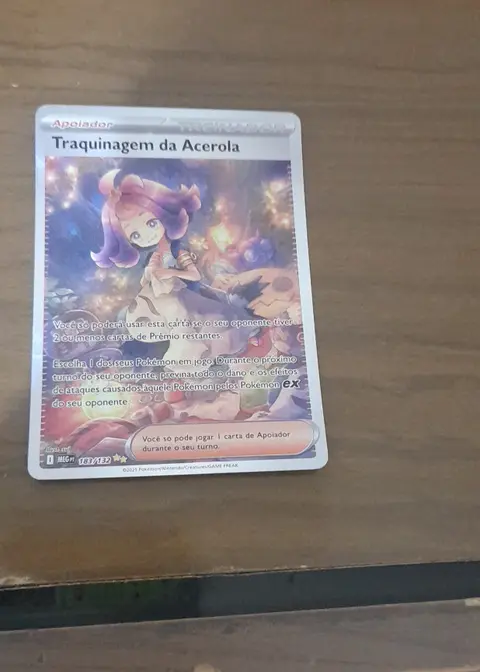
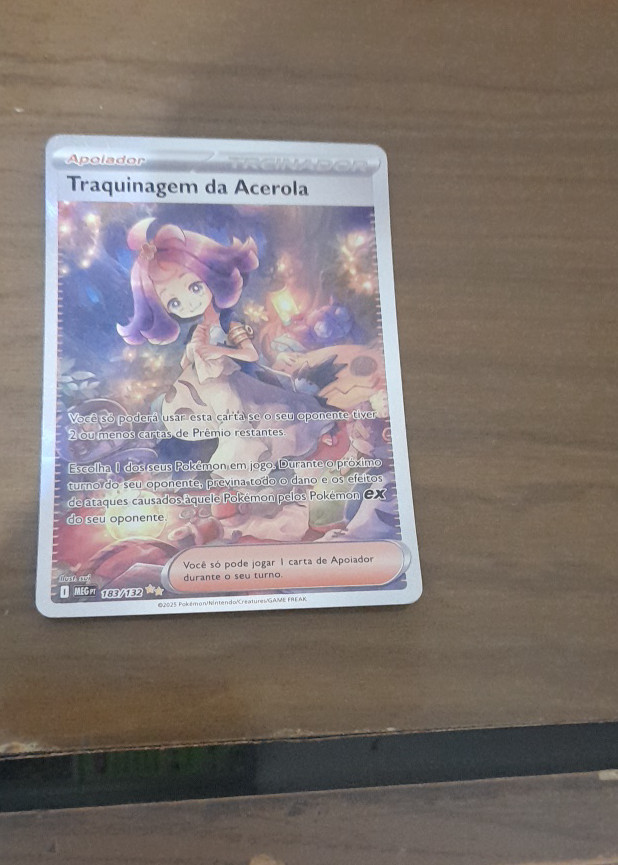
Acerola is a major Alola-era Pokémon character introduced in the Sun & Moon generation. She is the captain of Ula'ula Island's abandoned Thrifty Megamart and later appears as a member of the Alola Elite Four, which makes her one of the franchise's best-known supportive trainer characters. The card name 'Acerola's Mischief' references her playful, mischievous personality and her established role in the Pokémon world.[4]
This card was first released in the Mega Evolution expansion in 2025. The card database lists Acerola's Mischief #183/132 as part of Mega Evolution, and the same Supporter effect originally appeared in the Japanese Mega Symphonia release before being localized for other markets.[4][7]
- The card exists in multiple print treatments in the Mega Evolution expansion, including a regular print, a Full Art ultra rare, and a special illustration rare.[4]
- The effect is a late-game Supporter that can only be played when the opponent has 2 or fewer Prize cards remaining, making it a situational comeback card rather than an early-game staple.[3][4]
- The card's collector value is driven more by the character's popularity and the chase-rarity treatment than by competitive play demand, with the Secret Rare / Special Illustration Rare version typically commanding the strongest interest.[2][3]
Rarity and print run
- Tier
- Secret Rare
- Print run
- Low
- First printed in
- Mega Evolution
- Demand
- High
- Supply
- Low
- Low pack pull rate relative to standard and lower-rarity prints
- Collector demand for Acerola as a popular character
- Full Art / Special Illustration Rare presentation increases chase value
- Portuguese-language copies are typically scarcer in international secondary markets
Collector notes
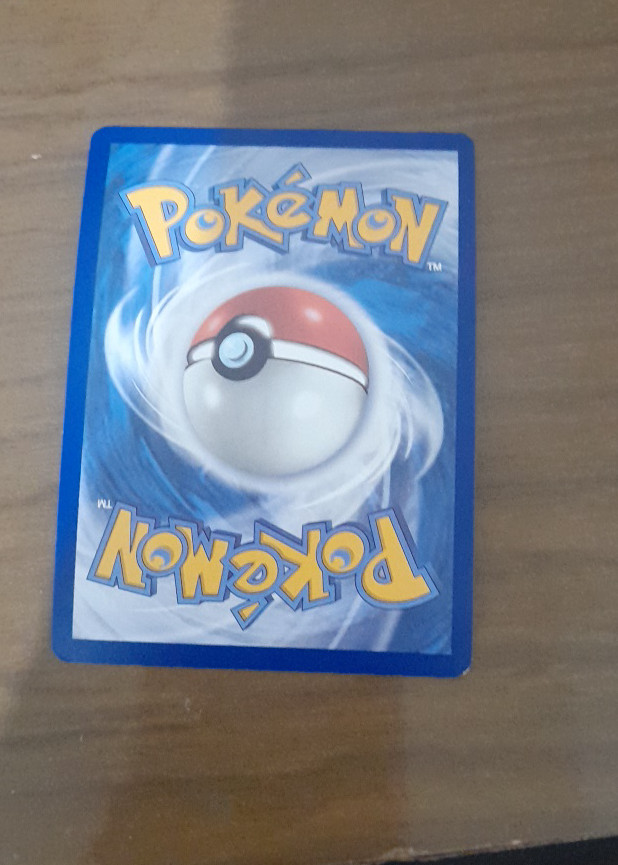
Condition. Check for edge whitening, corner dings, surface scratches, print lines, centering issues, and holo/texture wear if applicable. For a high-end secret rare full-art style card, centering and surface condition usually matter most, and any whitening on the back edges can significantly reduce grade potential.[1][5][6]
Storage. Store the card immediately in a penny sleeve and rigid top loader or semi-rigid holder, keep it away from humidity and direct light, and avoid repeated handling. For raw copies, a fresh sleeve with a penny sleeve plus top loader is ideal; for graded copies, store the slab upright in a dry, temperature-stable environment.
Authenticity. Verify the exact set number, rarity line, and language printing, since this card has multiple versions and market listings can be mislabeled. Authentic copies should show clean print quality, consistent texture or foil behavior for the rarity, and correct typography; suspiciously flat holo, off-color printing, or mismatched numbering can indicate a fake or incorrect listing. Comparing against official card database images and known legitimate set data is the best first check.[7][8]
Sources: hobbyscan.com, sportscardinvestor.com, limitlesstcg.com, bulbapedia.bulbagarden.net, cardshq.com